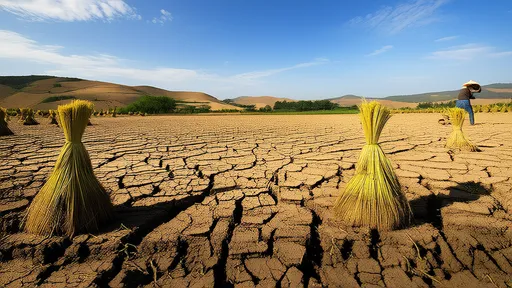
The rice fields of Southeast Asia, typically a lush expanse of green, now bear the muted tones of a struggling crop. Farmers across the region are facing one of their most challenging seasons in decades as the El Niño climate phenomenon tightens its grip, reducing rice yields by an estimated 30%. This dramatic shortfall threatens not only local food security but also the global rice market, where Southeast Asia plays a pivotal role.
The fingerprints of El Niño are unmistakable this year. Characterized by the periodic warming of sea surface temperatures in the Pacific, the phenomenon has disrupted weather patterns across the tropics. In Southeast Asia, the usual monsoon rains have arrived late—or not at all—leaving paddies parched during critical growing phases. Meanwhile, pockets of the region have experienced unseasonal downpours, flooding fields and further damaging crops. The result is a patchwork of failed harvests and diminished yields, with Thailand, Vietnam, and Indonesia among the hardest hit.
In Vietnam's Mekong Delta, often referred to as the "rice bowl" of the country, farmers report stunted growth and empty grains. "The soil cracks underfoot before the seedlings can take hold," says one farmer in An Giang province, where water levels in irrigation canals have dropped to half their usual depth. Similar scenes unfold in Thailand's central plains, where the government has begun rationing water for agriculture, prioritizing drinking supplies. The scarcity has forced many smallholders to abandon their fields mid-season, a decision with devastating economic repercussions.
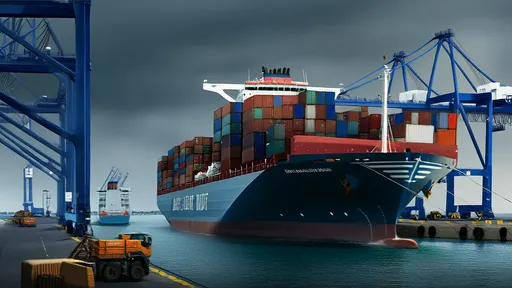
The ripple effects extend far beyond rural communities. Rice is a staple for over half the world's population, and Southeast Asia accounts for nearly 40% of global exports. With regional production down by nearly a third, international prices have surged to their highest levels in 15 years. Countries reliant on imports, particularly in Africa and the Middle East, are scrambling to secure shipments amid dwindling stockpiles. Even wealthier nations like Singapore, which imports over 90% of its rice, are feeling the pinch as supermarket shelves empty faster than they can be restocked.
Governments across the region are implementing stopgap measures to mitigate the crisis. Indonesia has authorized the use of state reserves to stabilize domestic prices, while the Philippines has fast-tracked negotiations with alternative suppliers like India and Pakistan. However, these solutions are temporary at best. "You can't negotiate with the weather," remarks an agricultural economist in Manila. "What we're seeing isn't just a bad year—it's a preview of what climate change could make commonplace."
Indeed, scientists warn that El Niño events may grow more frequent and intense as global temperatures rise. The current crisis underscores how vulnerable the global food system remains to climatic shocks, particularly for crops like rice that demand precise growing conditions. Research into drought-resistant strains has accelerated, but breakthroughs remain years away from widespread deployment. In the meantime, farmers are left to grapple with the immediate reality of ruined harvests and mounting debts.
The human cost is staggering. In rural Cambodia, where rice accounts for over 70% of caloric intake, families are skipping meals to stretch dwindling supplies. Children are pulled from school to help forage for alternative food sources, while migration to urban centers—already swollen by climate refugees from previous years—has reached new peaks. "There's only so much you can ask people to endure," says a relief worker in Battambang province, where malnutrition rates among children under five have doubled since the start of the year.
As the lean season approaches, the outlook grows increasingly dire. Meteorologists predict El Niño conditions will persist through early 2024, jeopardizing the next planting cycle. With buffer stocks depleted and no quick fixes available, the region faces a protracted crisis that could reshape agricultural practices, trade flows, and even geopolitical alliances. For now, the world watches—and waits—as Southeast Asia's paddies wither under an unrelenting sun.
By /Jun 23, 2025
By /Jun 23, 2025
By /Jun 23, 2025

By /Jun 23, 2025
By /Jun 23, 2025

By /Jun 23, 2025

By /Jun 23, 2025

By /Jun 23, 2025

By /Jun 23, 2025

By /Jun 23, 2025

By /Jun 23, 2025

By /Jun 23, 2025
By /Jun 23, 2025

By /Jun 23, 2025

By /Jun 23, 2025
By /Jun 23, 2025
By /Jun 23, 2025
